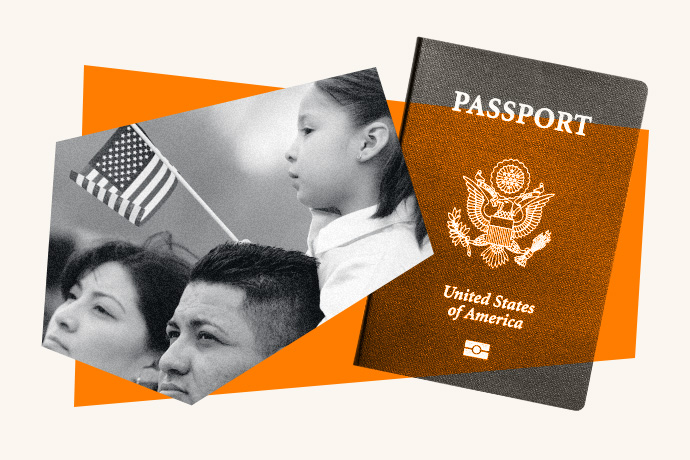
The freedom to vote is the very foundation of our democracy. Voting is how we secure our civil rights and liberties and help shape our country, state, and town. Every eligible citizen has the right to cast a ballot freely, fairly, and accessibly — without fear of deception or intimidation. As President Trump and his administration’s abuses of power continue, it is all the more important to plan ahead and learn about your rights when voting.
All Scenarios
Report intimidation to your local election officials<\/a>. Their offices will be open on Election Day.<\/li>\n<\/ul>\n"},{"title":"What to do if you\u2019re stopped by local or federal law enforcement or National Guard troops while attempting to vote","slug":"what-to-do-if-youre-stopped-by-local-or-federal-law-enforcement-or-national-guard-troops-while-attempting-to-vote","content":"<p>Law enforcement encounters can be stressful and scary. During them, you should prioritize staying safe. Knowing your rights is important too. No matter what agency you\u2019re dealing with\u2014whether federal or local; whether law enforcement or the military\u2014the Constitution constrains how government employees can treat you.<\/p>\n<p>Learning about your rights can help you understand what\u2019s happening and allow you to take mental notes that you can use to help a lawyer challenge potential violations later on. The following information is designed to provide education on your rights. It serves civic, advocacy, and educational purposes and is not intended as, nor should be taken as, legal advice. If you need legal advice specific to your situation, please consult a qualified attorney.<\/p>\n<ul>\n<li>Always remain calm and never physically resist or obstruct law enforcement. Keep your hands visible.<\/li>\n<li>You may ask if you are free to leave at any point in your interaction. Say, \u201cAm I free to go?\u201d If the answer is \u201cyes,\u201d you are free to walk away. If the answer is no, you have been stopped and must remain where you are until you have been told that you are free to go.<\/li>\n<li>You do not have to answer a government official\u0027s questions except if you are stopped for certain traffic, parking, or pedestrian offenses, when you must provide your name and address if asked. Outside these settings, if you don\u2019t want to answer a question, say, \u201cI want to remain silent.\u201d<\/li>\n<li>Government officials cannot detain you without reasonable suspicion that you have or are committing a crime or immigration violation.<\/li>\n<li>Take mental notes about what\u2019s happening\u2014including on what occurred before you were stopped, what the official says and does while you are stopped, and whether anyone is documenting what occurred\u2014so you can tell a lawyer later.<\/li>\n<li>If an official asks to search you or your belongings, you have the right to say no, but do not obstruct access. The official may have lawful authority to conduct the search anyway. If the official begins conducting a search, say clearly: \u201cI do not consent to a search.\u201d<\/li>\n<li>Remember you do not have to unlock your phone or give government officials your password without a warrant. For additional security, turn off biometric identification such as Face ID.<\/li>\n<\/ul>\n<p>No matter what uniform they wear, federal agents are bound by the Constitution, including respecting our right to vote and our right to due process.<\/p>\n"},{"title":"What to do if you\u2019ve been arrested while attempting to vote","slug":"what-to-do-if-youve-been-arrested-while-attempting-to-vote","content":"<ul>\n<li>If you are under arrest, you may exercise your right to remain silent and ask for a lawyer\u2014 no matter your citizenship or immigration status.<\/li>\n<li>If you want to invoke these rights, you should say \u201cI want to remain silent\u201d and \u201cI want to speak with a lawyer\u201d and then, refrain from answering any questions or signing any documents unless you have a lawyer present.<\/li>\n<li>You can ask for a phone call, but the government officials might refuse. Be aware that calls to people other than your attorney are monitored and often recorded.<\/li>\n<\/ul>\n"},{"title":"What to do if you\u2019re asked about your immigration status","slug":"what-to-do-if-youre-asked-about-your-immigration-status","content":"<ul>\n<li>Do not lie about your citizenship status, your name, or provide false documents. Unless required to, depending on your immigration status, do not provide any foreign identification documents.<\/li>\n<li>Generally, you have the right to remain silent and do not have to discuss your immigration or citizenship status (or anything else). It\u2019s important to note that if you invoke this right and\/or do not have the proper papers, an immigration officer might detain you for longer to verify your citizenship status.<\/li>\n<li>If you are not a U.S. citizen, the law may require you to carry specific immigration documents for your specific immigration status and provide them when a government official requests your immigration papers.<\/li>\n<li>Carry with you evidence of having been in the U.S. for longer than two years, such as mail that you have received at your home address with a postmark or a signed lease as these may help reduce the risk of being put in a deportation process without the ability to argue your case.<\/li>\n<li>For more information about specific immigration statuses, and what documentation is required to be carried by a person with that status, you should consult an attorney.<\/li>\n<\/ul>\n"}]" >
More Resources
News & Commentary
Sep 2025
National Security
Human Rights
Know Your Rights in Encounters with Law Enforcement and Military Troops
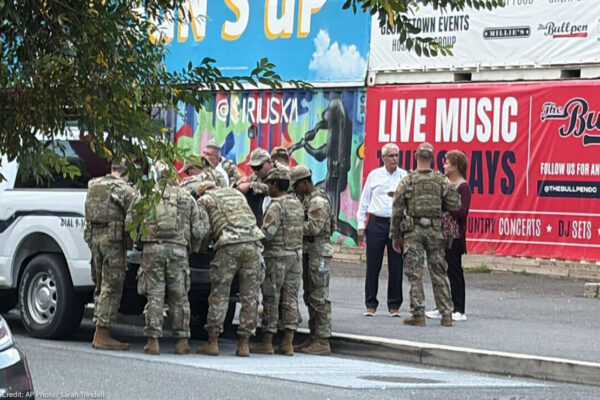
The recent militarization of D.C. is a reminder of how quickly government power can expand. Our guide explains what to do if you’re stopped by police or troops.
Know Your Rights in Encounters with Law Enforcement and Military Troops
The recent militarization of D.C. is a reminder of how quickly government power can expand. Our guide explains what to do if you’re stopped by police or troops.
President Trump has dangerously deployed thousands of troops into our communities in response to protests against dangerous ICE raids. We must take action.
President Trump has dangerously deployed thousands of troops into our communities in response to protests against dangerous ICE raids. We must take action.